Five Questions to Ask a Sedation Dentist
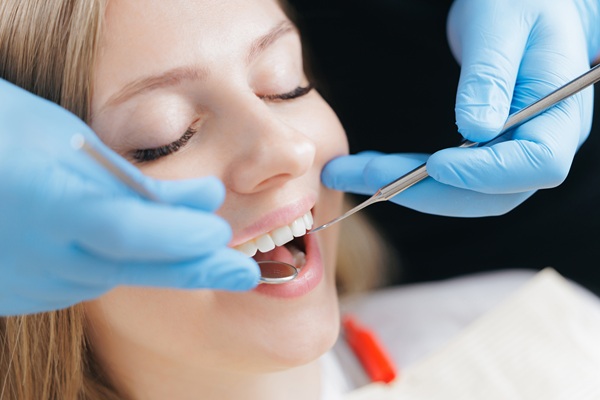
A sedation dentist can keep your next dental procedure free of stress and anxiety. This dental professional can calm and relax you before, during, and after your dental procedure. Getting your dental treatments will be easier with the help of a sedation dentist. If you want to know more about sedation dentists near you, here are four questions to ask.
1. What are the choices of sedation available?
Sedation dentists offer three types of sedation to patients seeking this treatment for an upcoming dental appointment. These include:
- Oral sedation. Oral sedation involves taking a sedative pill before the treatment. Most patients take the pill the night before the treatment, which takes at least an hour for the pill to take effect.
- Nitrous oxide. Also known as laughing gas, the patient can inhale this sedative during treatment. It is often the preferred method for sedation dentists as it is easy to control, and it loses its effect after the procedure.
- IV sedation. In some cases, the dentist can also use IV or intravenous sedation, where they introduce the sedative into the patient’s bloodstream intravenously. The effects of the sedative are almost immediate.
The sedation dentist will recommend one of these options after a consultation with the patient. Each sedation option has a different effect. Knowing which sedation will work best on the patient is important. This will help prepare the patient more for the procedure.
2. Is sedation dentistry right for the patient?
Patients who do not have anxiety during their past dental appointments do not need sedation at all. A sedation dentist will suggest sedation to patients with low tolerance to pain or involuntary fidgeting. Patients with severe anxiety and high sensitivity can also have sedation. A patient can choose to have sedation during a long and extensive dental procedure as well.
3. How long has the sedation dentist been in practice?
Experience is important. A skilled dentist should have extensive experience and knowledge about sedating different types of patients. An experienced sedation dentist will ensure the patient’s health and well-being.
4. What credentials should the dentist have?
General dentistry is a basic field of learning for any dentist. Studying and training as a sedation dentist will follow. Proper handling and dosing of sedatives, ethical considerations, and techniques are just a few of the concepts they learn. These dental care providers have supporting documentation to prove that they can care for their patients well.
5. What should the patient expect during treatment?
Sedation keeps the patient calm and in a sleep-like state throughout the procedure. Most patients need to have someone with them. That companion will have to drive the patient to the clinic and home after the procedure. The effects of some types of sedation will last for hours. The patient must have someone to help at home as well.
Your sedation dentist can help make your procedure painless and stress-free
Many dental patients suffer from anxiety and even fear, especially during long and extensive treatments. Fortunately, a sedation dentist can help make your procedures as stress-free as possible. Asking as many questions as possible can help you identify your ideal sedation method. Call our Plano office to learn more or to schedule an appointment.
Request an appointment here: https://oracaredentistry.com or call OraCare Dentistry at (469) 293-4444 for an appointment in our Plano office.
Check out what others are saying about our dental services on Yelp: Sedation Dentist in Plano, TX.
Related Posts
Searching for "dentist near me" offers more than just choosing a provider based on location convenience. The right general dentist provides the essential care necessary to keep a smile healthy and vibrant while protecting the foundation of the teeth and gums. Daily habits like brushing and flossing help maintain oral health, but certain areas remain…
You may need a dental crown, but it all depends on your root canal treatment. Your dentist will be able to tell you if you need dental work beyond the treatment. Needing a crown is determined by the location and severity of the root canal. Crowns can be recommended because they protect your existing teeth…
Teeth whitening can help brighten natural enamel when stains come from foods, drinks, aging, or normal daily habits. Dentist-supervised at-home treatment uses custom trays and whitening gel to create a more controlled process than many store-bought products. However, an in-office visit is still necessary, as our dentist first checks the teeth, gums, and existing dental…
Root canal treatment is often the best (or only) way to deal with an abscessed tooth that results from a tooth infection. This review discusses the role root canal treatment plays in treating an abscessed tooth and what you can expect throughout the diagnostic and treatment processes.An abscessed tooth can affect one’s ability to function…