6 Implant Dentistry FAQs About Multiple Tooth Replacement
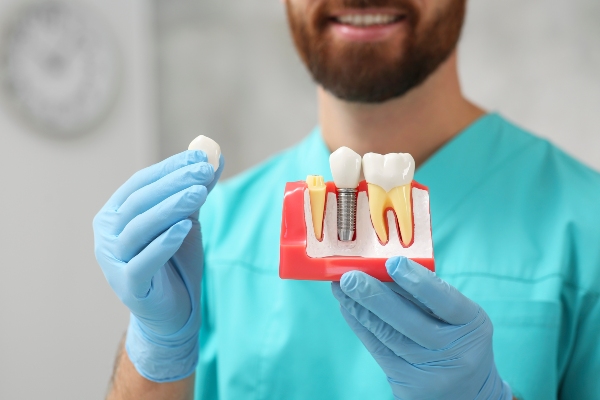
Looking for information on implant dentistry? Whether only a few teeth or the complete row of teeth are missing, implant dentistry might be the best choice to restore the natural function and appearance of the smile. Before starting any major dental procedure, you would probably have many questions. This article provides answers to some of the frequently asked questions about the use of implants for multiple tooth replacement.
6 Frequently asked questions about implant dentistry
Dental implants are titanium posts that replicate the function of lost tooth roots. The implants are inserted below the gums. Over the following three to six months, these dental implants will integrate with the jawbone and gum tissue, becoming the solid support needed for replacement teeth.
1. What are the advantages of choosing implant dentistry?
Conventional options for replacing multiple teeth only restore the visible part of the smile, whereas implants restore both the roots and visible parts. The implant restoration will provide natural chewing functions and feel. Without the tooth’s root to stimulate the supporting jawbone and gum tissues, they start to diminish, causing further tooth loss, changes in facial shape, and other oral health issues.
2. How many implants are required for multiple tooth replacement?
The number of dental implants needed to replace multiple teeth depends on the number and location of the missing teeth. One or two implants can hold a fixed bridge to restore multiple teeth missing consecutively. Three to six implants can replace any number of lost teeth or a complete dental arch.
3. How long do implants need to heal?
Typically, it takes about four to six months for most dental implants to heal and integrate completely with the surrounding bone. However, one point to consider is that the duration of recovery can vary depending on a number of factors, including the density of the jawbone, as well as the number of implants inserted.
4. What is the cost of dental implants?
The cost of implant dentistry restoration options varies remarkably, based on certain factors, including the number of replacement teeth, the type of material, the need for preparatory treatments such as bone grafting, the need for sedation, and the degree of complication. The dentist will explain every aspect of the treatment procedure, cost, and available insurance coverage before beginning the treatment process.
5. What is the success rate of dental implants?
Dental implants have a success rate of up to 95 percent. However, success depends on certain factors. Keeping up with dental checkups and maintaining a good oral hygiene routine can significantly reduce the risk of implant failure. It is also important that the patient has sufficient jawbone health and density to support the implants.
6. How long will the implant restoration last?
Implant restorations are highly durable and can last for more than two decades. They require the same care and maintenance as natural teeth. With proper care, many patients have their implants for a lifetime.
Do you have multiple missing teeth?
Implant dentistry is not a one-size-fits-all procedure because every patient is unique. If you need more information or have questions, schedule a consultation appointment with our dentist to get answers.
Request an appointment here: https://oracaredentistry.com or call OraCare Dentistry at (469) 293-4444 for an appointment in our Plano office.
Check out what others are saying about our dental services on Yelp: Implant Dentistry in Plano, TX.
Related Posts
Having a root canal treatment for your tooth infection can give you relief. This condition can be debilitating. It can prevent you from performing your daily tasks. The discomfort can even hinder your nutrient intake. If you want to know how a root canal treatment can help you with your tooth infection, here are the…
You may need a dental crown, but it all depends on your root canal treatment. Your dentist will be able to tell you if you need dental work beyond the treatment. Needing a crown is determined by the location and severity of the root canal. Crowns can be recommended because they protect your existing teeth…
Teeth whitening can help brighten natural enamel when stains come from foods, drinks, aging, or normal daily habits. Dentist-supervised at-home treatment uses custom trays and whitening gel to create a more controlled process than many store-bought products. However, an in-office visit is still necessary, as our dentist first checks the teeth, gums, and existing dental…
Root canal treatment is often the best (or only) way to deal with an abscessed tooth that results from a tooth infection. This review discusses the role root canal treatment plays in treating an abscessed tooth and what you can expect throughout the diagnostic and treatment processes.An abscessed tooth can affect one’s ability to function…